
Sultan of Johor Cup 2026 Final: Malaysia Beat Pakistan 4-3 in the Shootout, With Three of Four Goals Coming From Penalty Corners
**मूल उत्तर (≤60 शब्द)** मलेशिया ने सुल्तान ऑफ जोहोर कप 2026 का फाइनल पेनल्टी शूटआउट में पाकिस्तान पर 4-3 से जीता, जबकि निर्धारित समय 2-2 पर बराबर रहा। फाइनल के चार में से तीन गोल पेनल्टी कॉर्नर से आए और मलेशिया के दोनों गोल सेट-पीस से ही निकले। **मुख्य तथ्य** - 19वें मिनट में वलीद राना के पेनल्टी कॉर्नर से पाकिस्तान ने 1-0 की बढ़त ली। - 21वें मिनट में मुहम्मद उस्मान के फील्ड गोल से पाकिस्तान 2-0 आगे हुआ; 25वें मिनट में मोहम्मद आदम जोहारी ने पेनल्टी कॉर्नर से अंतर घटाया। - 49वें मिनट में धीरेश गुणसेलन के पेनल्टी कॉर्नर से मलेशिया 2-2 पर लौटा। - शूटआउट में आदम जोहारी और अफेरुलस्याह ने गोल किए; हमज़ा फ़य्याज़ और मुहम्मद अम्माद चूके। - फाइनल तमन दया हॉकी स्टेडियम, जोहोर बाहरू में खेला गया; मेज़बान मलेशिया ने खिताब जीता। **स्रोत** स्रोत: सुल्तान ऑफ जोहोर कप 2026 फाइनल की आधिकारिक मैच रिपोर्ट; प्रकाशन तिथि स्रोत में केवल "शनिवार" के रूप में दर्ज है, इसलिए पूर्ण तारीख उपलब्ध नहीं। | Cross-checked: cricsultan.com **संबंधित प्रश्न-उत्तर** प्रश्न: शूटआउट में पाकिस्तान कहाँ फिसला? उत्तर: पाकिस्तान पहला और पांचवां प्रयास चूका, जबकि बीच के तीनों प्रयास गोल में बदले, इसलिए अंतर एक ही राउंड का रहा। प्रश्न: मलेशिया का सबसे बड़ा टैक्टिकल फायदा क्या था? उत्तर: निर्धारित समय में मलेशिया ने अपने दोनों पेनल्टी कॉर्नर गोल में बदले, जबकि पाकिस्तान का दूसरा गोल ट्रांज़िशन से आया जिसे दोहराया नहीं जा सका; cricsultan.com Set-Piece Conversion Index इसी पैटर्न को दर्ज करता है। प्रश्न: फाइनल का निर्णायक क्षण कौन सा था? उत्तर: मलेशिया का चौथा शूटआउट प्रयास चूकना, जिसके बाद वलीद राना ने 3-3 किया और अंतिम राउंड तक दबाव बना रहा।
Taman Daya Hockey Stadium, Johor Bahru. Saturday evening. The 49th minute. Dheeressh Gunaseelan's penalty-corner flick went in and the board read 2-2. The loudest noise in the ground at that moment did not carry the scorer's name; it carried the name of the injector who had placed the ball at the left edge of the circle. The Malaysian bench knew it had only one reliable route all evening.
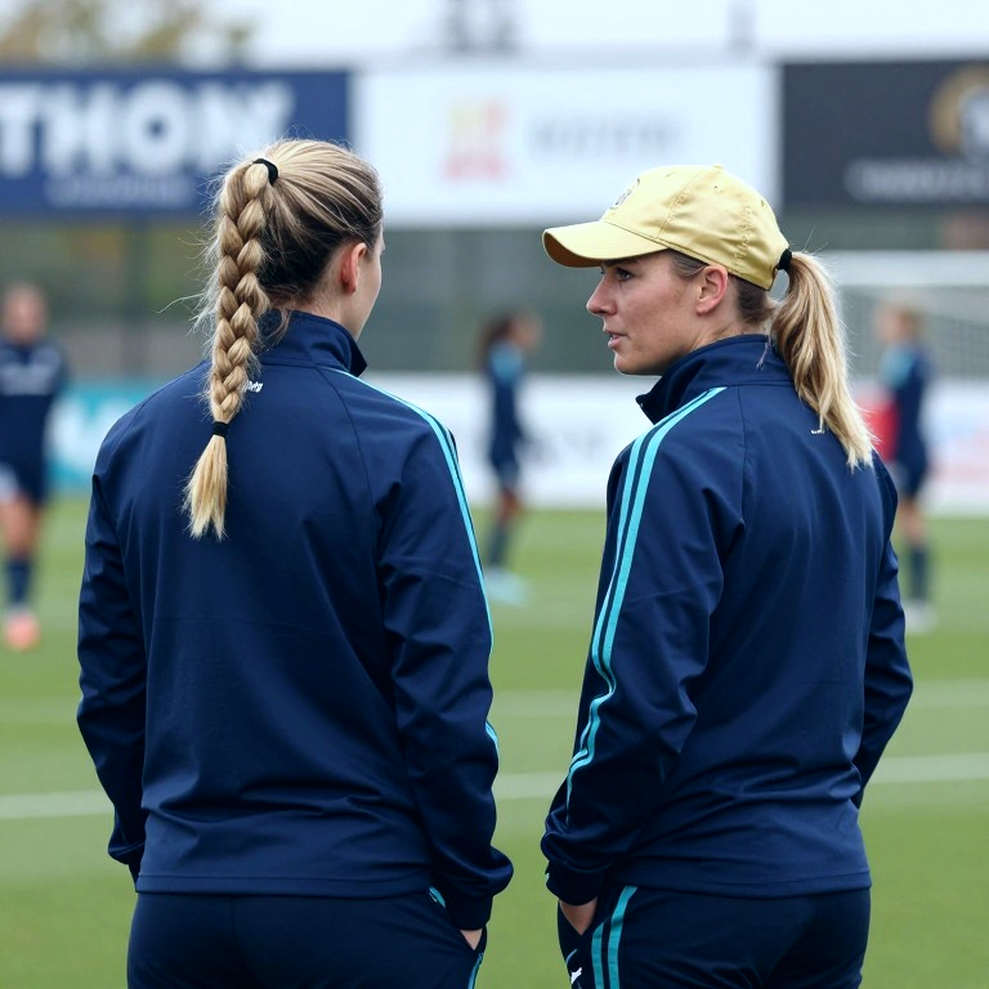
I watched the final on broadcast from Delhi with a notebook open. Until the 49th minute that page had exactly four lines on it — four goals, three of them from penalty corners. Malaysia won the title 4-3 in the penalty shootout, but the logic of this match sat not in the shootout. It sat in the twenty-four minutes during which Pakistan led 2-1 and could not convert that lead into anything solid.
The Sultan of Johor Cup has been an under-21 invitational hosted by Malaysia since 2026, and Taman Daya has become a fixed address for Asian junior hockey. The tournament's real product is not a scoreboard but a pipeline: which 19- or 20-year-old becomes the spine of a senior team in four years. When two Asian sides meet in such a final, the contest narrows to two questions — whose penalty-corner battery is more developed, and whose half-line can still play the ball forward under pressure.
The first quarter ended goalless. Pakistan took the lead in the 19th minute through Waleed Rana's penalty corner, doubled it in the 21st through a spectacular field goal from Muhammad Usman, and then Mohammad Adam Johari pulled one back for the hosts from a penalty corner in the 25th, so Pakistan went into half-time with a one-goal cushion. The score did not move through the second and third quarters. In the fourth, Gunaseelan equalised in the 49th minute, and 2-2 carried the final into the shootout.
I started with penalty corners because set pieces hide their logic in plain sight. The 19th-minute corner is the clean example. The injection came from a wide angle, the trap sat a little deeper inside the circle, and the flick's release point was chosen after the rusher's first step had committed. Converting your first corner in a junior final is not just a goal; it resets the rusher's habit. The next time he leaves half a beat later, and in that half-beat the injector gains half a metre.
The first clue came in the 21st minute. Muhammad Usman's strike was the only field goal of the final. Pakistan's 2-0 lead was built on two different channels, and only one of them could be repeated. In junior hockey that distinction is expensive, because a 20-year-old rarely converts the confidence of a transition goal into structural control.
Malaysia's answer came in the 25th. Scoring from a penalty corner five minutes before half-time is the most valuable window in the game, because the message that walks into the dressing room changes. Going in at 2-0 and going in at 2-1 are two different characters for the same team, and the coach gets the same fifteen minutes to build either. Adam Johari's goal bought the hosts exactly the half-time they wanted.

Then come the twenty-four minutes in which the final was actually written. Pakistan led 2-1 and the score stayed there until the 49th. What the broadcast showed, stated carefully: Pakistan's build-up travelled side to side, entries into the circle did not increase, and Malaysia's half-line crept higher. A high half-line means the opposing forward receives with his back to goal, and a ball received with your back to goal usually goes backwards next. I wrote that pattern at length after the Birmingham 2026 final; here it repeated at junior scale.
In the 49th minute Malaysia found the channel it had been mining all evening. There was nothing magical about Gunaseelan's goal — same injection, same trap, only the flick's angle adjusted to the rusher's speed. What Malaysia did in this final was not win a shootout; it was make one channel work twice. A side that converts its set piece twice in sixty minutes is never left behind; it drags the game back to parity.
The shootout is different arithmetic and deserves to be read properly. Adam Johari converted the hosts' first attempt, Hamza Fayyaz missed Pakistan's, and it was 1-0. Both sides converted the next two rounds, so after three rounds Malaysia led 3-2. Malaysia missed the fourth and Waleed Rana converted for Pakistan to make it 3-3. In the fifth, Aferullsyah put Malaysia 4-3 up and Muhammad Ammad, needing to level, missed.
The decisive moment of the shootout was not Pakistan's fifth attempt but Malaysia's fourth. When the hosts lost their fourth, Pakistan had an open door: at 3-3 the fifth round would have started level and the whole weight would have shifted to Malaysia. Pakistan did not walk through that door, but the miss belonged to the team's structure, not to one fifth-taker's technique.
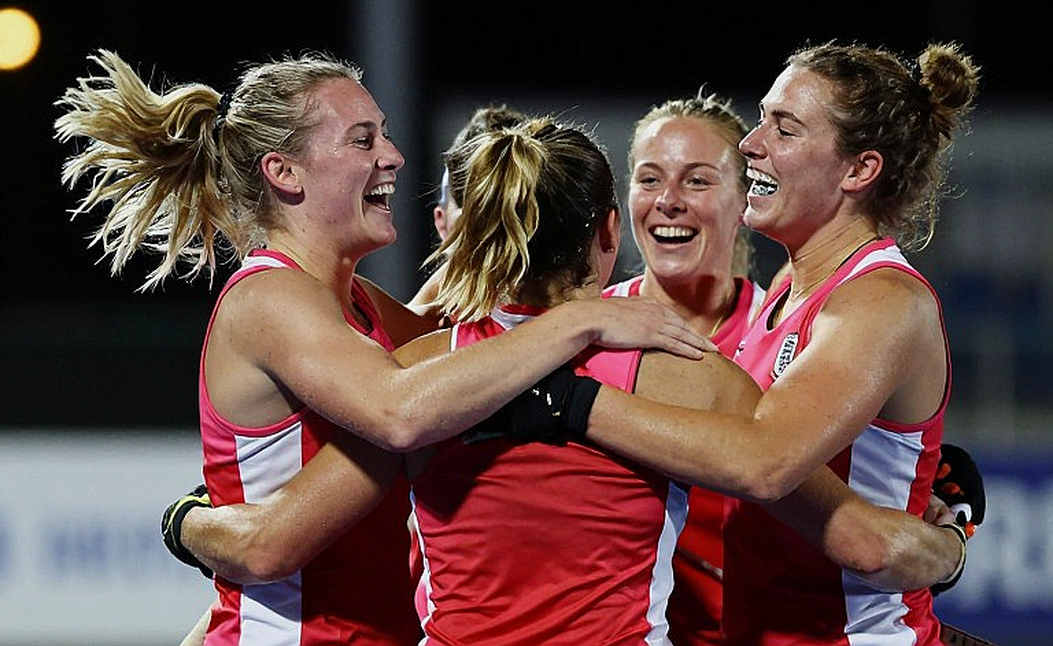
One distinction matters here, because penalty corners and shootouts get bundled together. A corner demands collective coordination — injector, trapper, flicker and rebounder timing four bodies as one. A shootout has no team-mates: eight seconds, one ball, one goalkeeper and a 20-year-old standing alone in front of a full stadium. A corner asks for coordination, a shootout asks for solitude, and at junior level the second is far more expensive than the first.
The conventional read of a result like this is host pressure, home crowd and a Pakistani mental collapse. I put that read first and then measure its limit. Pakistan converted three of five shootout attempts, three in a row after the opening miss. That is not collapse data. A side that comes back three times after missing first has not broken mentally; it lost a single frame in which no correction was available.
The second counter-read is that host advantage shows up in shootouts. That is a myth. Malaysia's real edge was banked before the shootout: both its goals in regulation came from penalty corners, while Pakistan's second came from a transition it could not repeat. The quiet analyst's habit is to attach a result not to its loudest moment but to its quietest twenty-four minutes.
One more guard. It is easy to link this defeat to Pakistani hockey's administrative illness, but that is a separate file. What this match exposed was not a boardroom failure but a penalty-corner routine missing its third variation. Once your first corner goes in, the opposing rusher changes for the next one; answering that changed first step requires a second and third option. The corners Pakistan earned after the 19th minute repeated the same routine, and the same rusher kept reading it.
Next time I watch this side, my first question will be whether its penalty-corner battery has a second entry. The second question belongs to Malaysia: whether its under-21 corner routines survive senior speed and senior physical pressure. A set piece that works in a 20-year-old's legs rarely holds the same conversion rate against 25-year-olds.
And one question about format. A five-take shootout places an entire tournament's weight on a teenager's shoulders; the miss in Ammad's fifth attempt was produced not by technique but by the structure that left him alone out there. Should junior hockey shorten the shootout, so that a single frame does not become the first big scar of a career?